
Hydrangea Care Guide: Meaning, Characteristics, Pros & Cons, and How to Keep Hydrangeas Fresh
Hydrangeas are admired for their large, rounded blooms, soft romantic colours, and elegant appearance. Whether featured in birthday bouquets, anniversary flowers, wedding arrangements, or home decorations, hydrangeas bring a sense of freshness and sophistication to any occasion.
However, despite their beauty, hydrangeas are relatively delicate flowers that require careful attention. They are particularly sensitive to water availability and temperature changes.
What makes hydrangeas so special? What are their advantages and disadvantages? And how should you care for hydrangeas after receiving them?
In this guide, we'll explore everything you need to know about these beautiful flowers.
1. Characteristics of Hydrangeas
One of the most distinctive features of hydrangeas is their large, rounded flower heads, which consist of numerous smaller flowers clustered together.
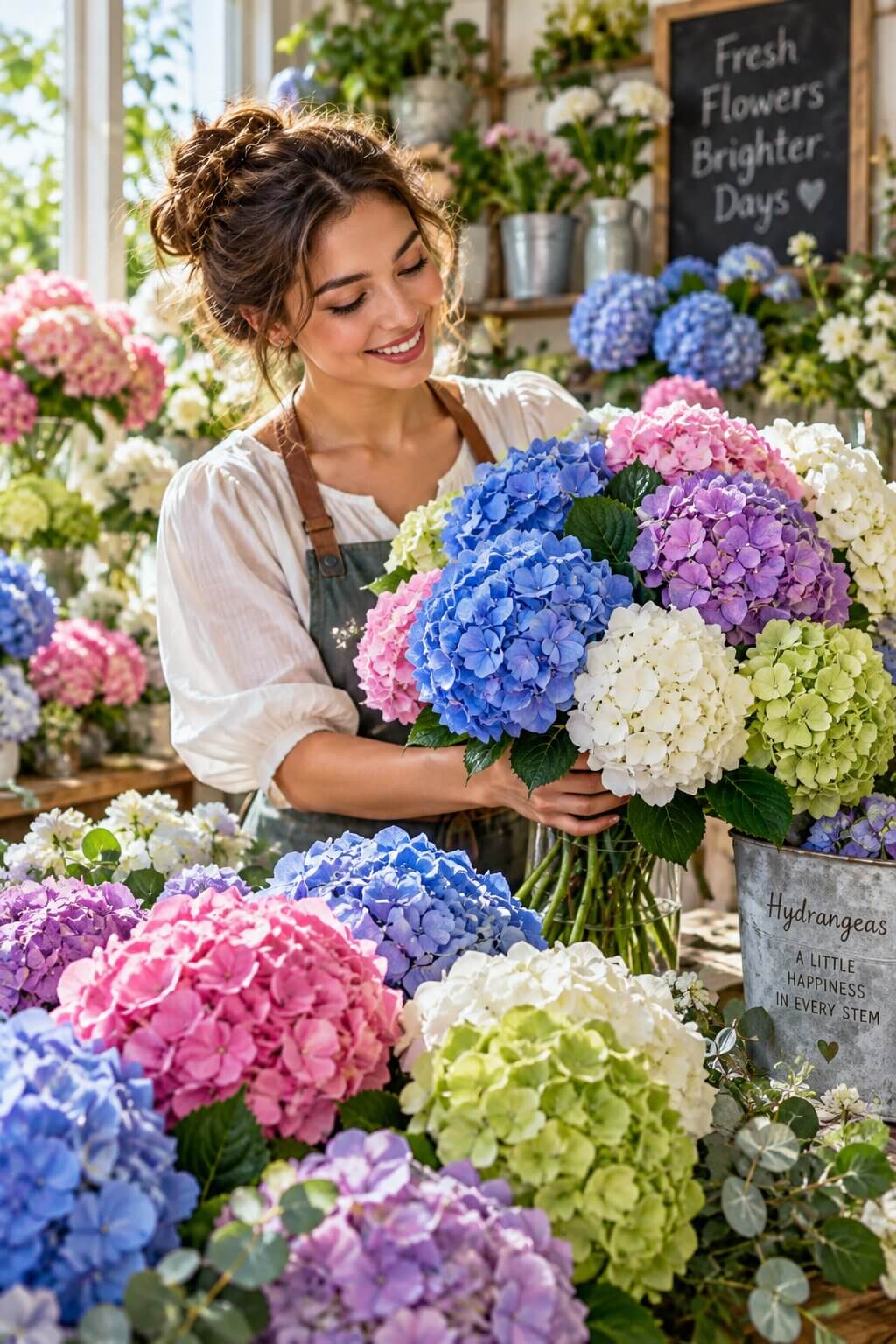
Hydrangeas are available in a wide variety of colours, including pink, blue, purple, white, and green. Some varieties even display beautiful natural colour gradients, making each bloom unique.
Another fascinating characteristic is that certain hydrangea varieties can change colour depending on soil conditions.
In acidic soil where aluminium is available for absorption, some hydrangeas tend to produce blue flowers. In soil where aluminium is less available, their blooms may appear pink.
However, not all hydrangeas change colour, and white varieties generally do not turn pink or blue simply because of changes in soil acidity.
Hydrangeas prefer cool, moist environments and are particularly sensitive to heat, direct sunlight, and dehydration.
In Hong Kong's hot and humid climate, cut hydrangeas require additional care to maintain their appearance.
2. Advantages of Hydrangeas
1. Large, Full Blooms with Beautiful Visual Impact
Hydrangeas are known for their impressive flower heads. Even a small number of stems can create a full and luxurious-looking bouquet.
They also pair beautifully with roses, lisianthus, and other seasonal flowers, making them popular in elegant floral arrangements.
2. Wide Range of Beautiful Colours
Different hydrangea colours create different moods and styles.
Pink hydrangeas offer a soft, romantic appearance, while blue hydrangeas create a fresh and calming atmosphere. Purple hydrangeas add elegance, and white hydrangeas provide a timeless, sophisticated look.
This versatility makes hydrangeas suitable for birthdays, anniversaries, weddings, and other special occasions.
3. Beautiful Symbolism and Meaning
Hydrangeas are often associated with gratitude, heartfelt emotions, togetherness, and happiness.
Their meanings may vary depending on colour and cultural traditions, making them thoughtful flowers for expressing different sentiments.
4. Versatile for Floral Arrangements
Hydrangeas are widely used in hand-tied bouquets, flower boxes, vase arrangements, wedding decorations, and event centrepieces.
Their distinctive shape adds volume and texture, often making them the focal point of a floral design.
3. Disadvantages of Hydrangeas
Although hydrangeas are beautiful, there are several important considerations before choosing them.
1. Highly Sensitive to Dehydration
Hydrangeas have relatively high water requirements.
Even a short period without sufficient water may cause their petals to soften and flower heads to droop.
2. Sensitive to Temperature and Environmental Conditions
Hydrangeas do not tolerate prolonged exposure to high temperatures, strong sunlight, or excessively dry conditions particularly well.
Hong Kong's summer heat can affect their condition during transportation, display, and everyday care.
3. Delicate Petals That Can Be Easily Damaged
Hydrangea blooms are relatively delicate and may develop bruising, discolouration, or visible damage when squeezed, knocked, or handled frequently.
Extra care is recommended when transporting or arranging these flowers.
4. Require More Frequent Attention
Compared with some longer-lasting cut flowers, hydrangeas often require closer monitoring.
Regular water checks, vase cleaning, and careful placement are particularly important.
Without adequate hydration, their condition can deteriorate quickly.
4. How to Care for Fresh Hydrangeas
Proper care can help hydrangeas maintain their appearance and reduce the risk of premature wilting.
Here are some practical hydrangea care tips.
1. Keep Hydrangeas Well Hydrated
After receiving hydrangeas, place their stems in clean water as soon as possible.
Because hydrangeas require plenty of water, use a suitable vase with sufficient water and check the water level daily.
Make sure the ends of the stems remain submerged.
2. Change the Water Regularly
Replace the vase water every one to two days and clean the vase to reduce bacterial growth.
Remove any leaves that would sit below the waterline, as submerged foliage may decay and affect water quality.
3. Trim the Stems Properly
When changing the water, use clean, sharp floral scissors or pruning shears to trim approximately 1–2 cm from the bottom of each stem at an angle.
This can help improve water uptake.
Place the stems back into clean water immediately after trimming.
4. Avoid Heat and Direct Sunlight
Place hydrangeas in a cool, shaded, and well-ventilated indoor location.
Avoid direct sunlight, nearby heat-producing appliances, and direct airflow from air-conditioning units.
A relatively cool and stable environment can help reduce moisture loss.
5. What Should You Do If Hydrangeas Start Drooping?
If your hydrangeas suddenly begin to droop, check the vase water level and inspect the stems.
Try trimming the stems again and placing them in fresh, clean water.
Hydrangeas that have wilted due to temporary dehydration may sometimes recover after rehydration.
However, recovery is not guaranteed, particularly if the blooms are already ageing or have suffered significant damage.
6. Keep Hydrangeas Away from Ripening Fruit
Some ripening fruits release ethylene gas, which can accelerate the ageing process of certain cut flowers.
As a general precaution, keep floral arrangements away from ripening fruit.
5. How Long Do Cut Hydrangeas Last?
Hydrangeas are relatively delicate flowers that are particularly sensitive to hydration, temperature, and environmental changes.
Their actual vase life can vary significantly depending on the condition of the flowers, weather, indoor temperature, transportation conditions, and how they are cared for.
Because hydrangeas have large flower heads and relatively high water requirements, even a short period of insufficient hydration may cause their petals to soften, flower heads to droop, or blooms to wilt.
In Hong Kong's hot climate, some hydrangeas may show signs of wilting within a relatively short period, even when they initially appear fresh.
Once severe wilting occurs, the flowers may not fully recover, even with proper care.
For these reasons, hydrangeas do not have a fixed or guaranteed vase life, and individual stems may remain fresh for different lengths of time.
We recommend placing hydrangeas in clean water as soon as possible after receiving them, maintaining sufficient hydration, and keeping them in a cool location away from direct sunlight.
These simple precautions may help prolong their appearance, although results will naturally vary.
6. Who Are Hydrangeas Suitable For?
Hydrangeas are versatile flowers that make thoughtful gifts for partners, friends, family members, and other important people in your life.
Birthday Flowers
Pink or purple hydrangeas create a soft and romantic atmosphere, making them lovely birthday gifts.
Anniversary Flowers
Hydrangeas paired with roses are an elegant way to express love, appreciation, and affection.
Wedding Flowers
White, pale blue, and soft pink hydrangeas are popular choices for wedding bouquets, centrepieces, and romantic floral decorations.
Thank You Flowers
Blue or pink hydrangeas can be a meaningful way to express gratitude and appreciation.
Home Decoration
White or green hydrangeas add a fresh, natural, and sophisticated touch to living rooms, dining tables, and other indoor spaces.
Important Safety Note
Hydrangeas contain substances that can be harmful if ingested by humans or pets.
If you have young children, cats, or dogs at home, keep hydrangeas somewhere they cannot easily reach.
7. Are Hydrangeas a Good Choice?
Hydrangeas remain a popular choice for flower lovers thanks to their lush blooms, beautiful colours, and meaningful symbolism.
Whether you're celebrating a special occasion, sending a thoughtful gift, or decorating your home, hydrangeas can create an elegant and memorable impression.
However, it's important to understand that hydrangeas are naturally delicate flowers.
They are sensitive to hydration and environmental conditions, and their freshness and vase life can vary considerably.
Understanding these characteristics before purchasing hydrangeas can help you make an informed choice and care for them appropriately.
Remember the three essential hydrangea care tips: keep them hydrated, maintain clean water, and avoid excessive heat.
With appropriate care and favourable conditions, you can give your hydrangeas the best opportunity to maintain their beautiful appearance.
Looking for a romantic and thoughtful floral gift?
FDHK – Flower Delivery Hong Kong offers a beautiful selection of handcrafted bouquets and floral arrangements, thoughtfully designed to help you celebrate life's special moments.